Personal

Heavy

Documentary · 2021 to 2023 · 18 photographs

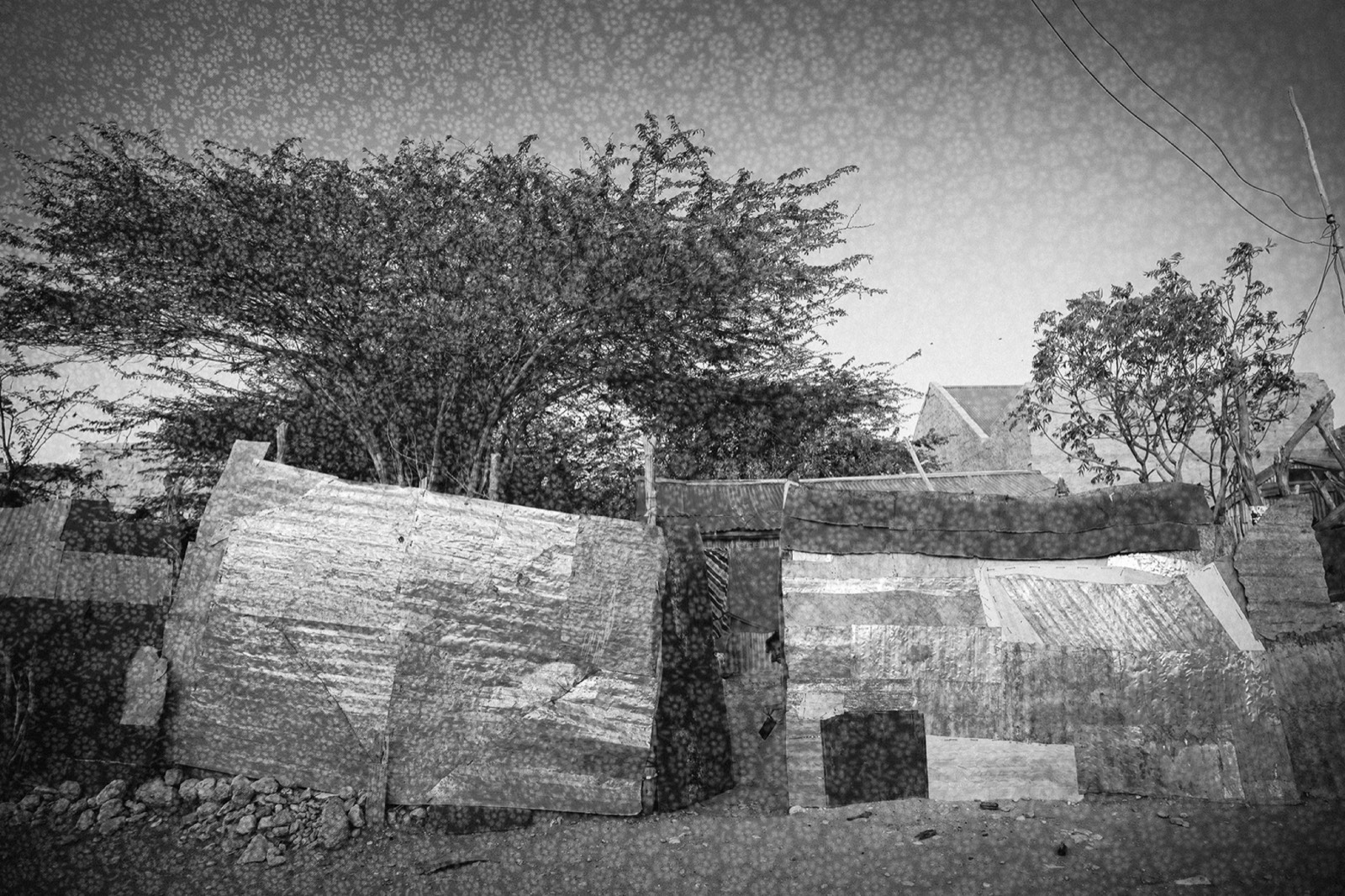
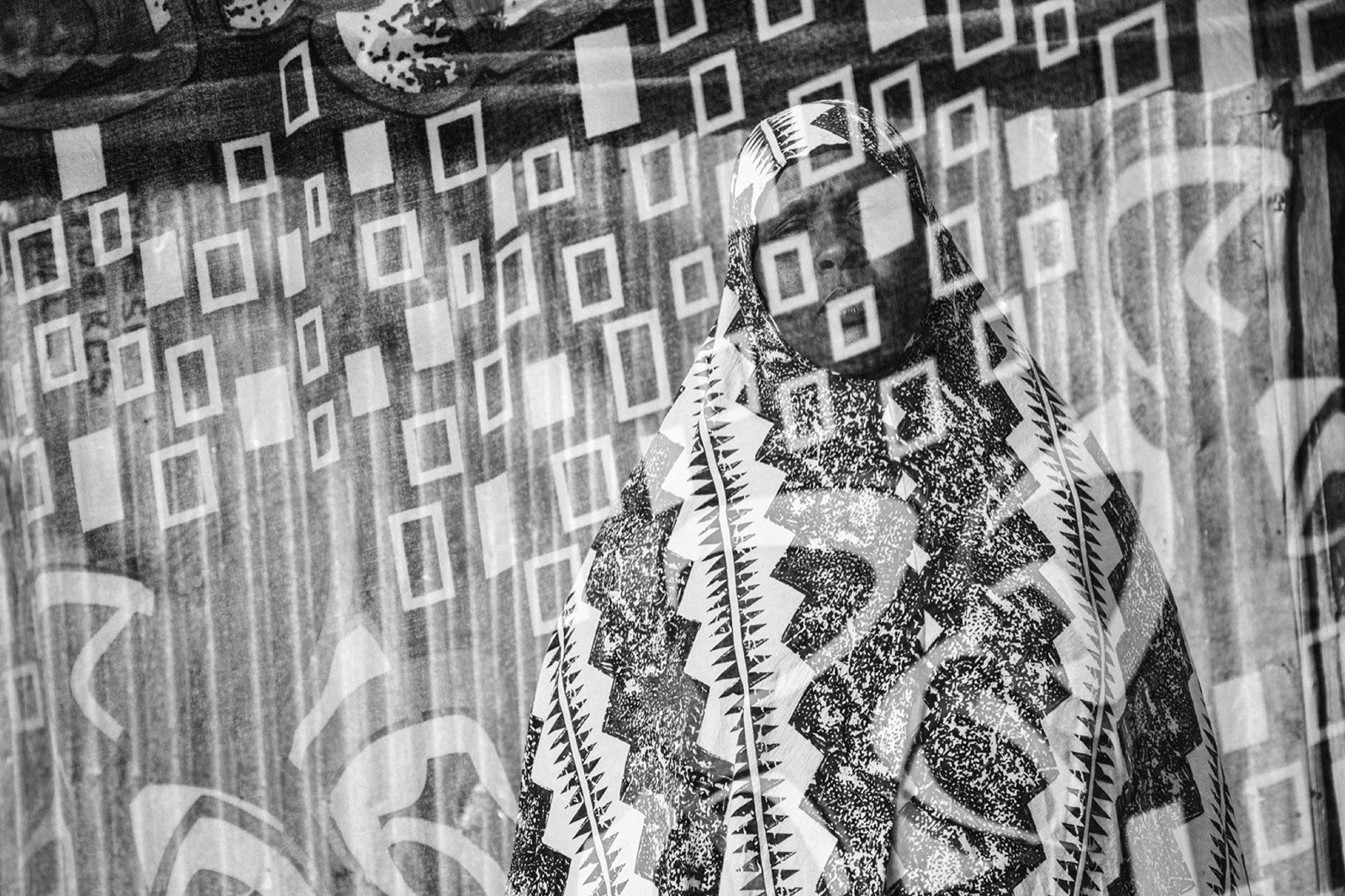
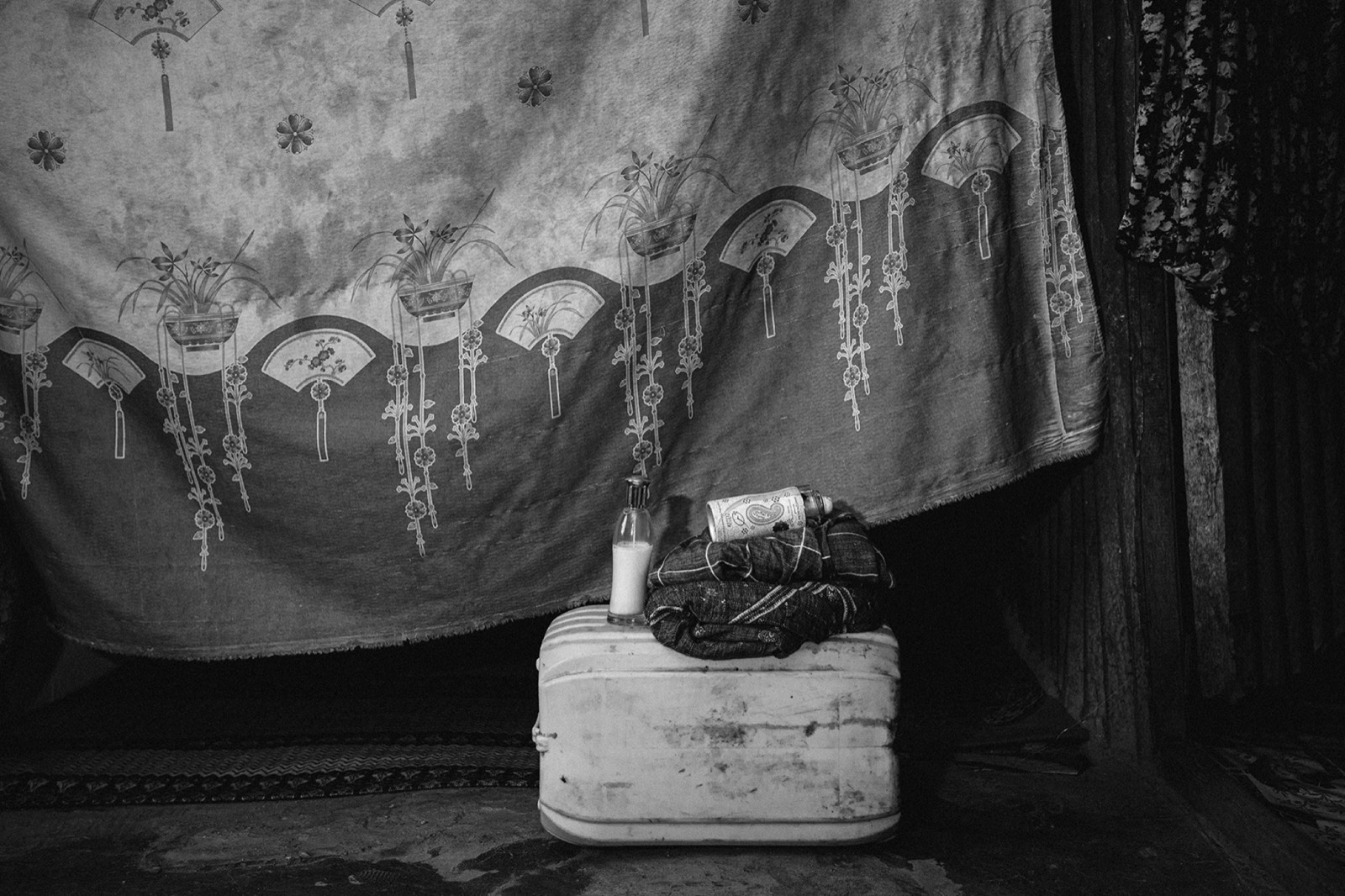
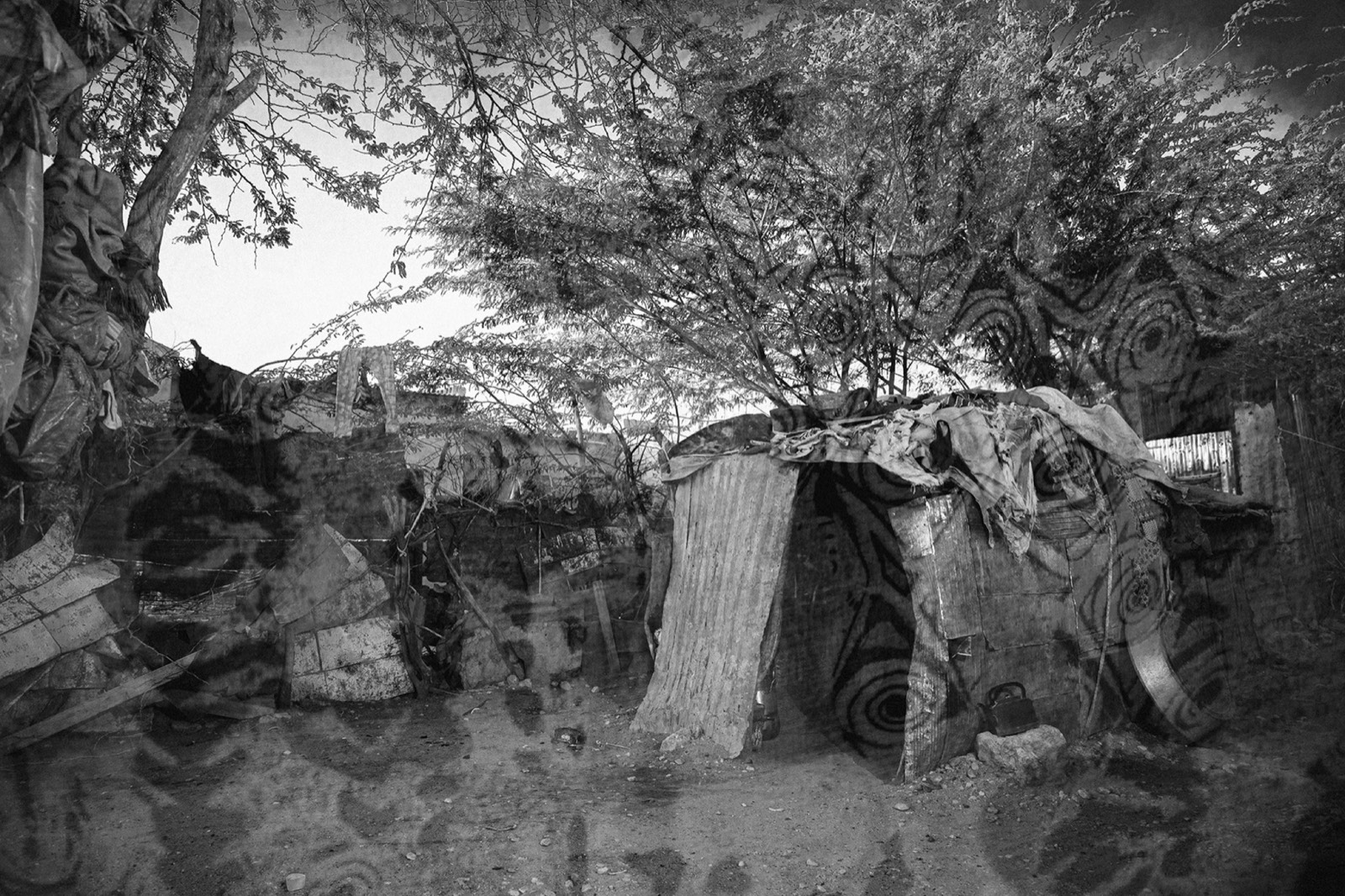
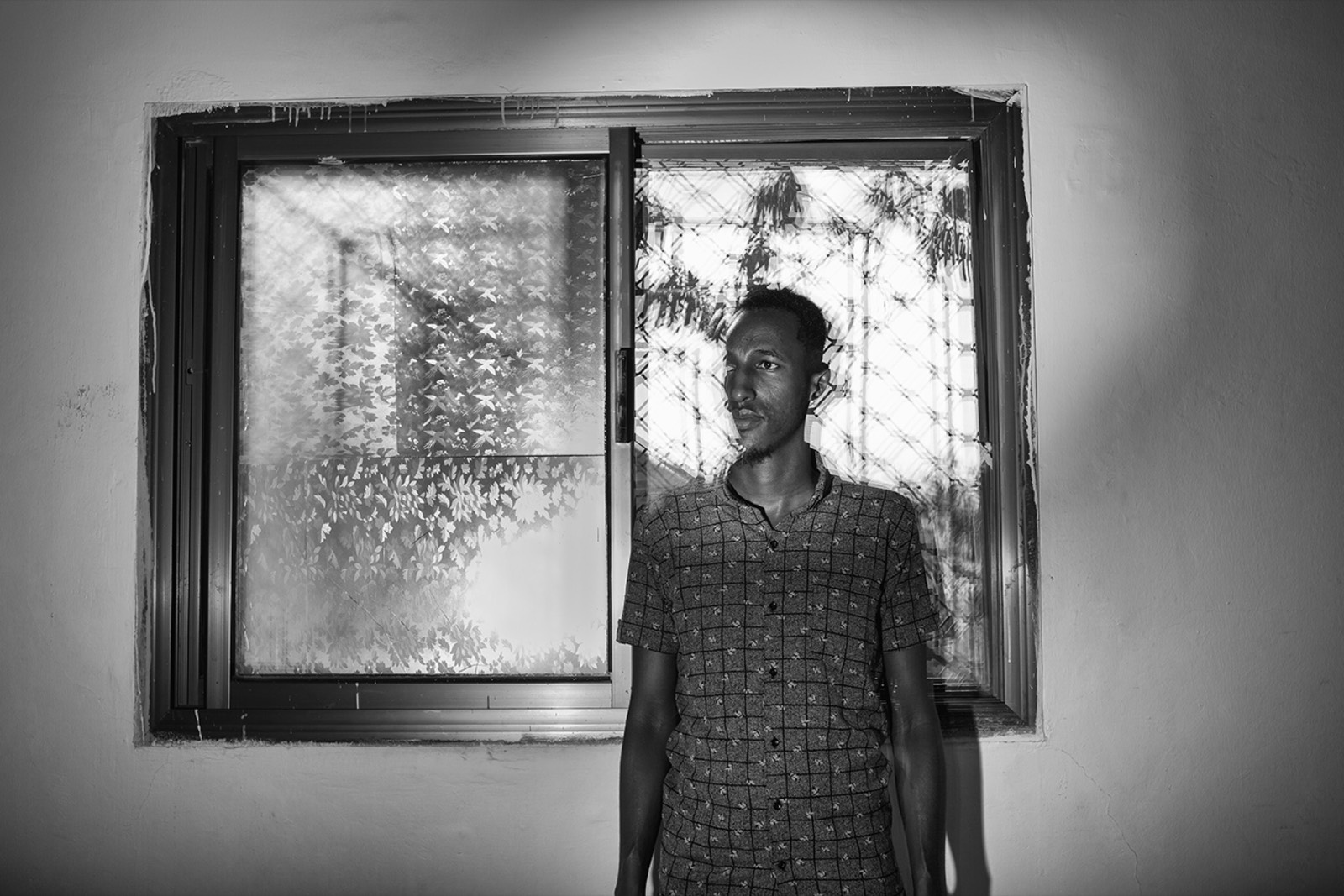
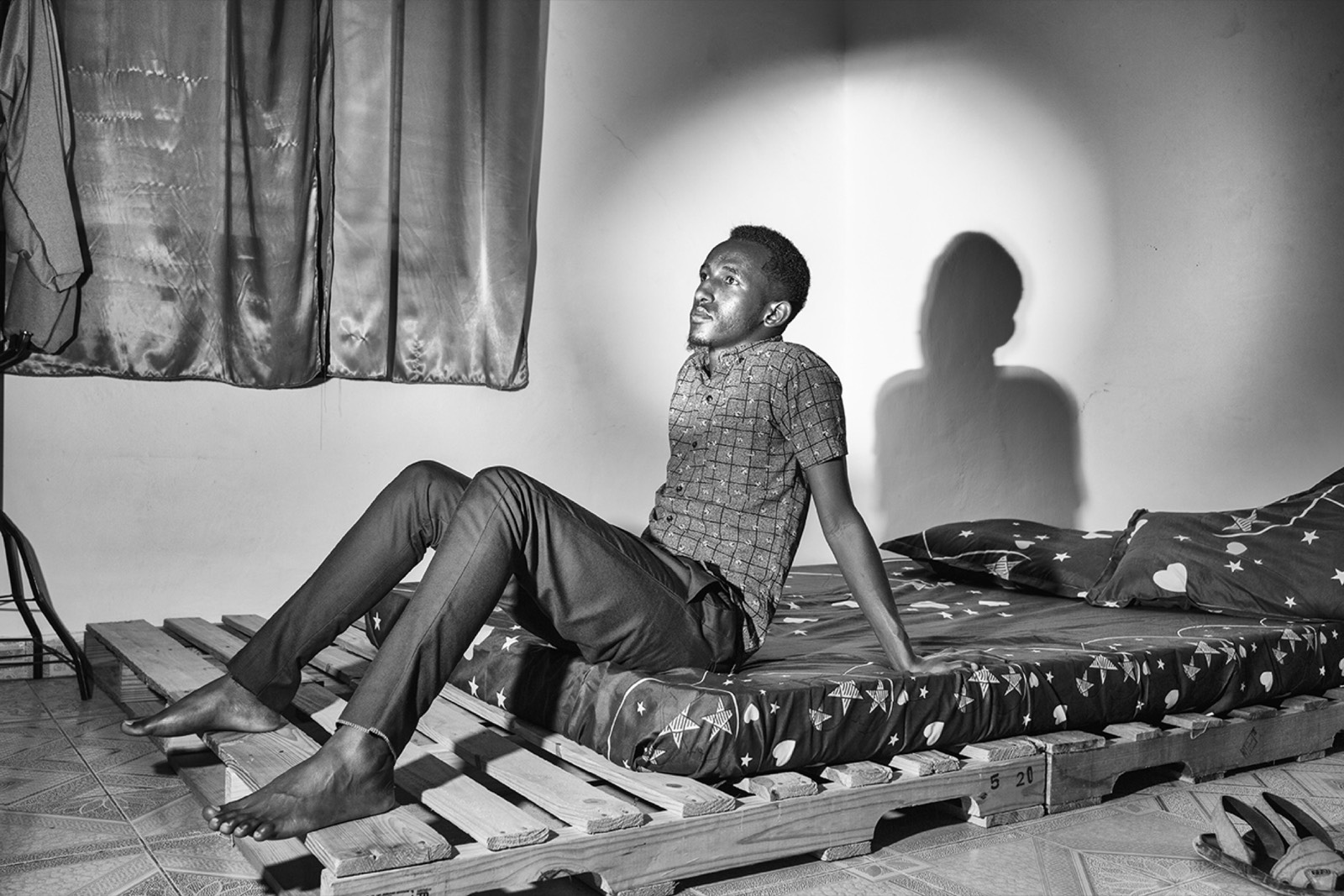
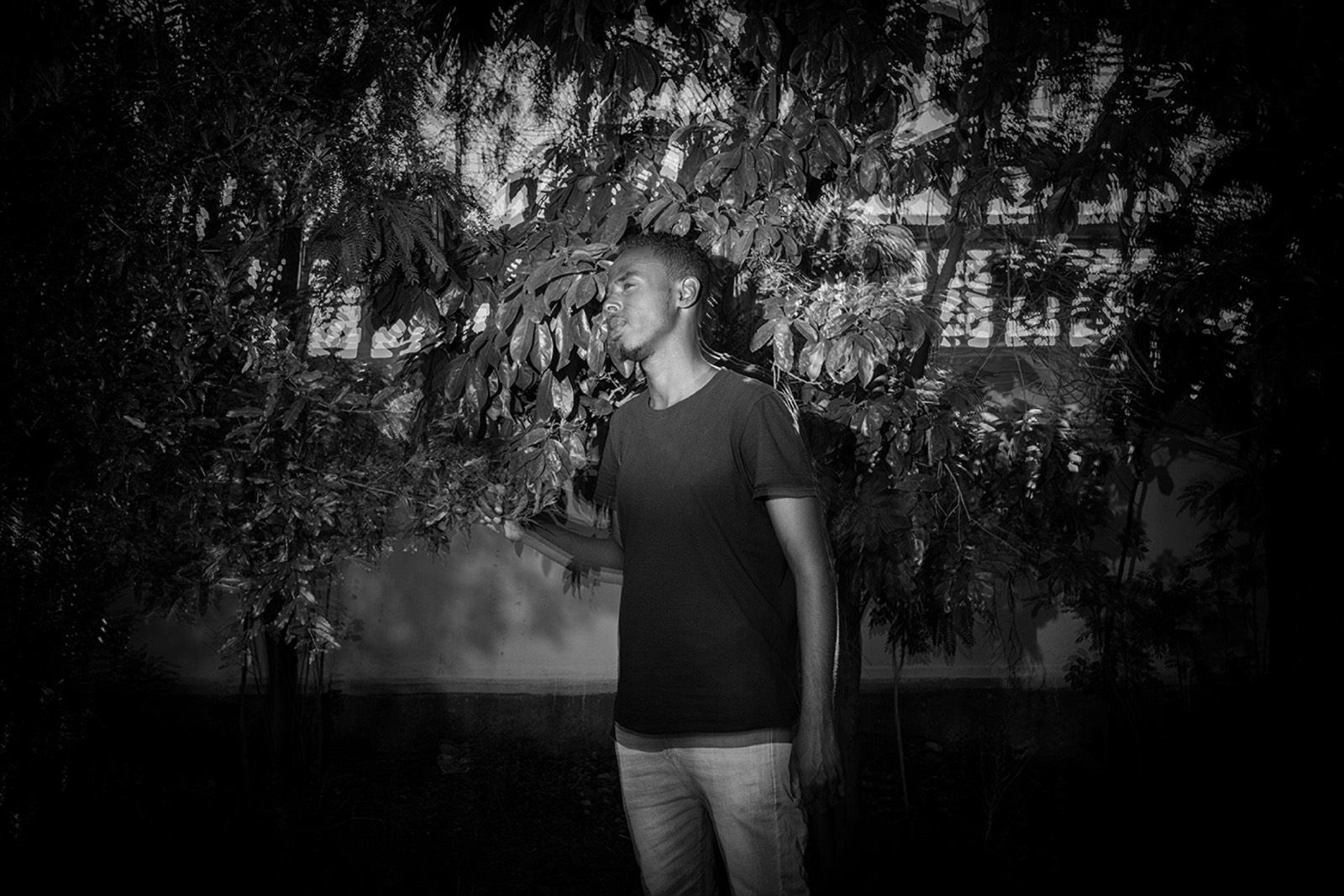
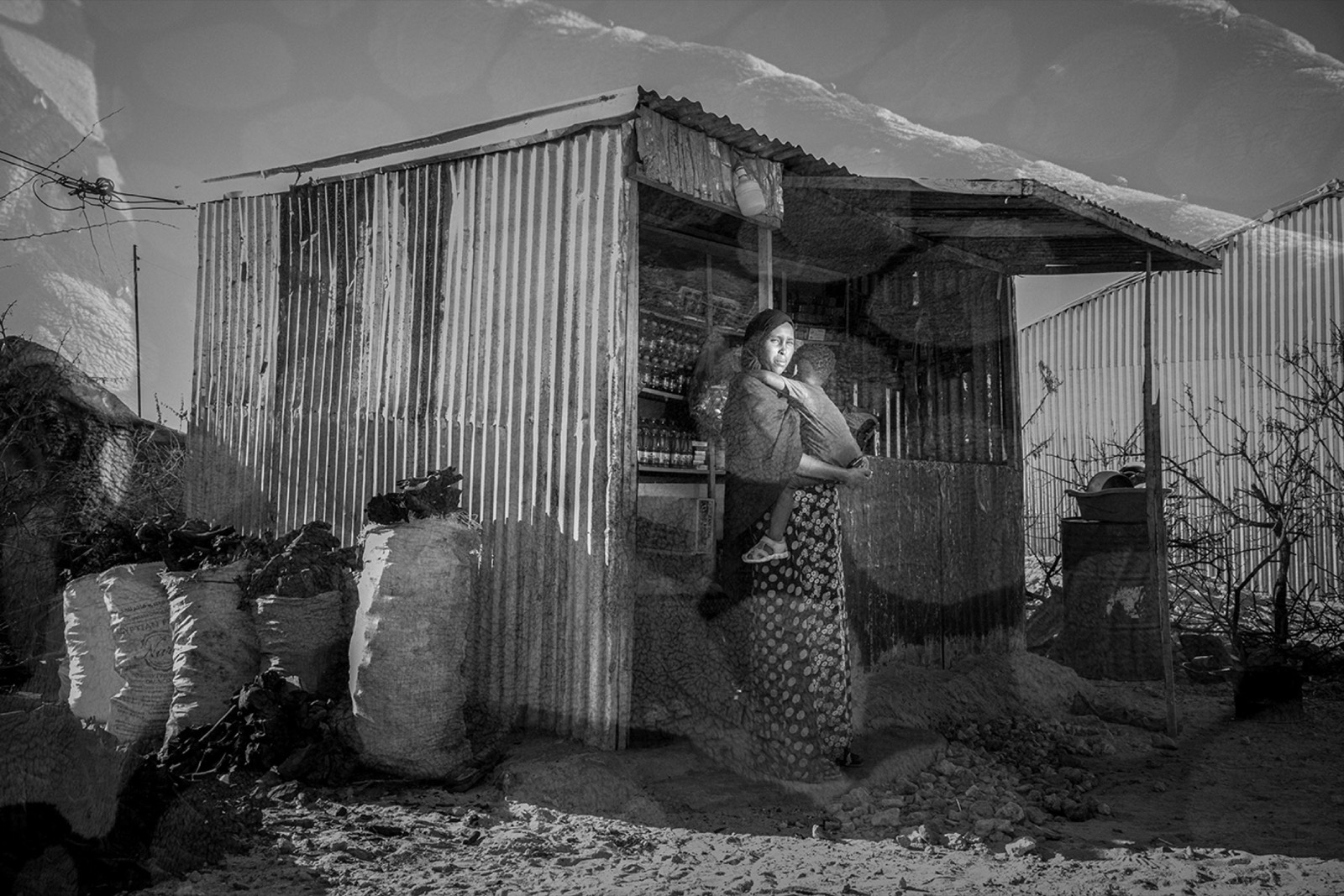
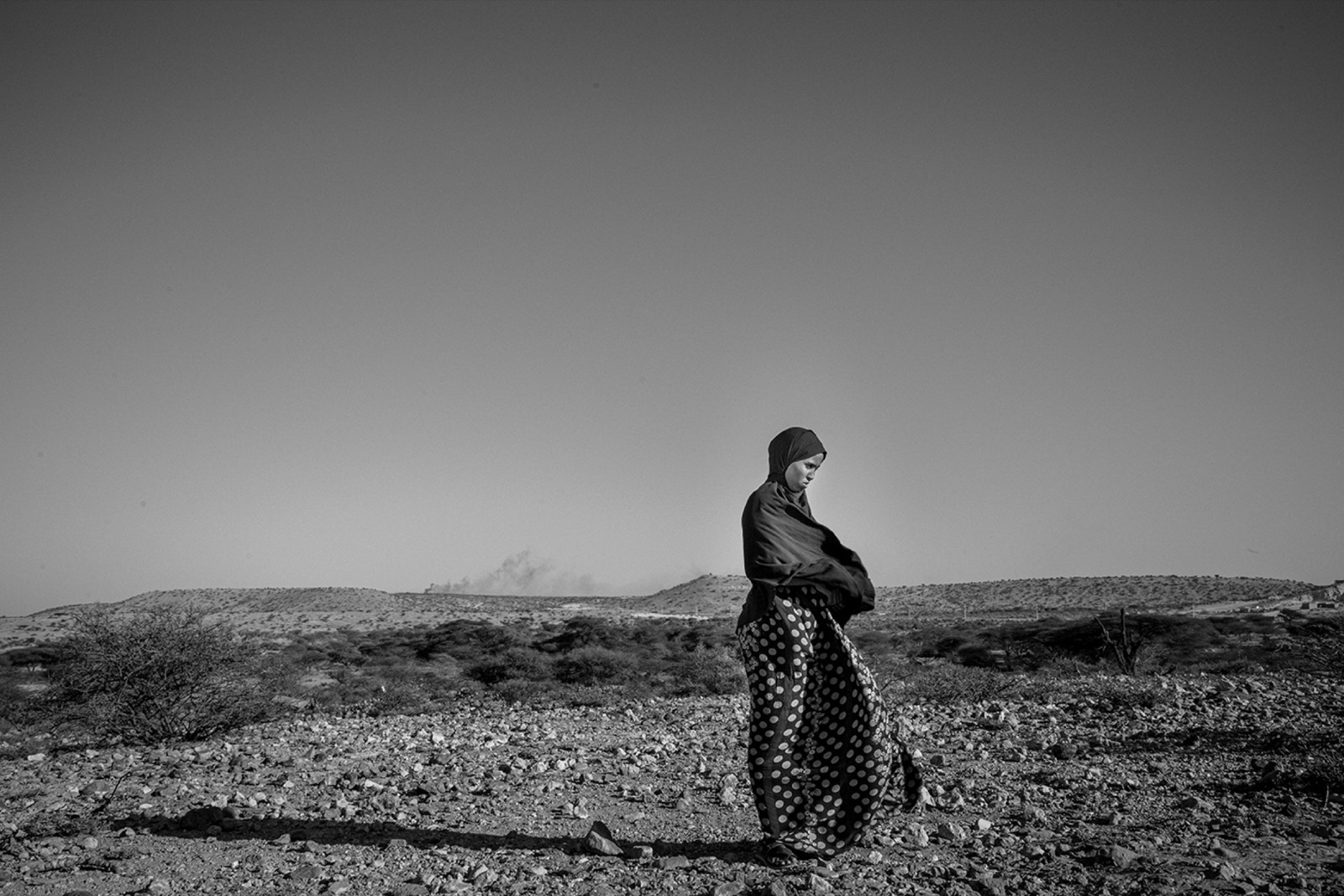
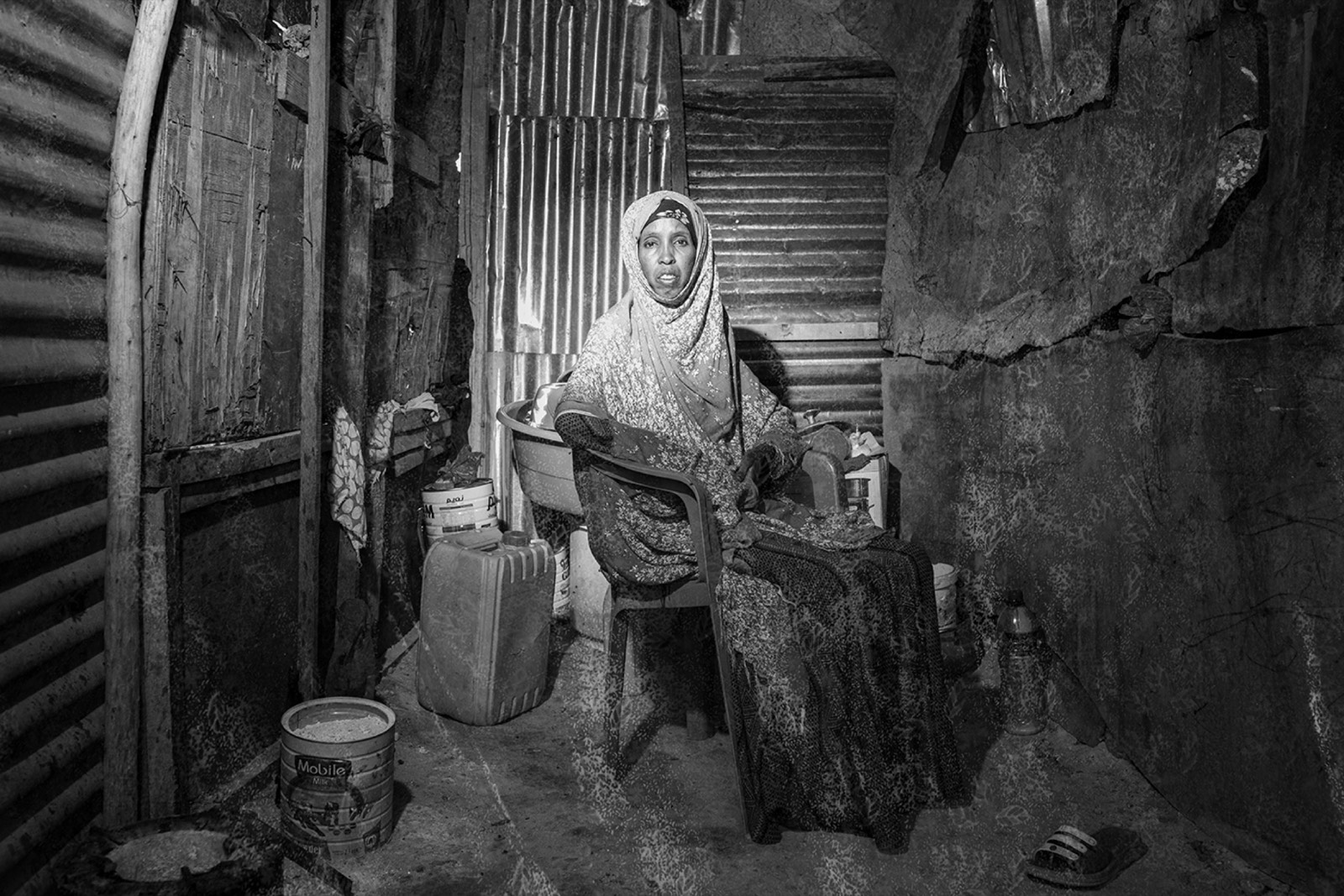
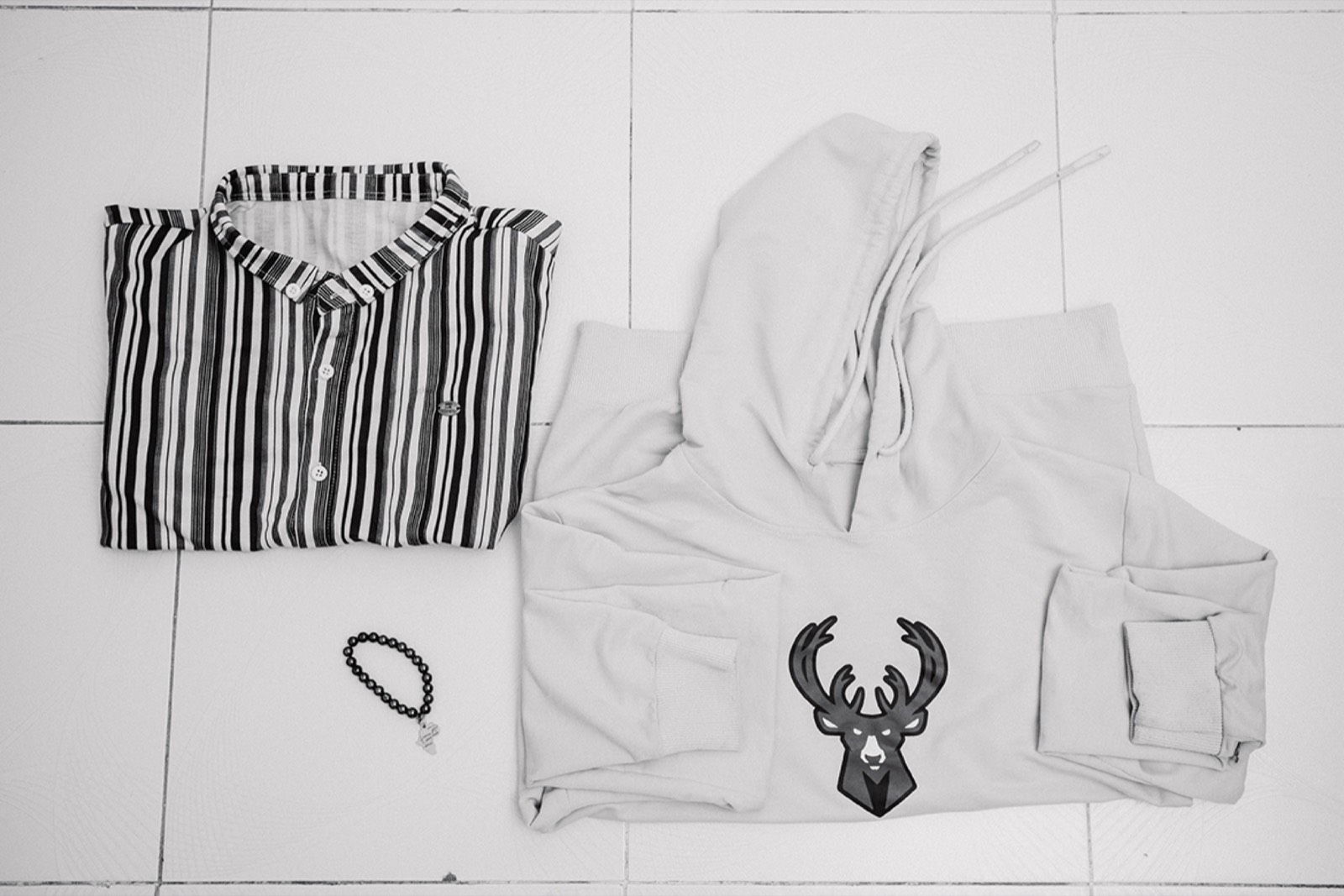
Heavy looks at the many young people who leave for Europe without papers, and at those who come back. The photographs show returnees with their families, at home, where they spend most of their time. Most irregular migrants leave because of poverty. When someone goes, the family often sells animals, houses or land to pay. That puts the family deeper in debt and pushes more young people to leave. Mustafa was a young person himself once, and he knows the struggles that youth in these communities face. The project is also a photobook.

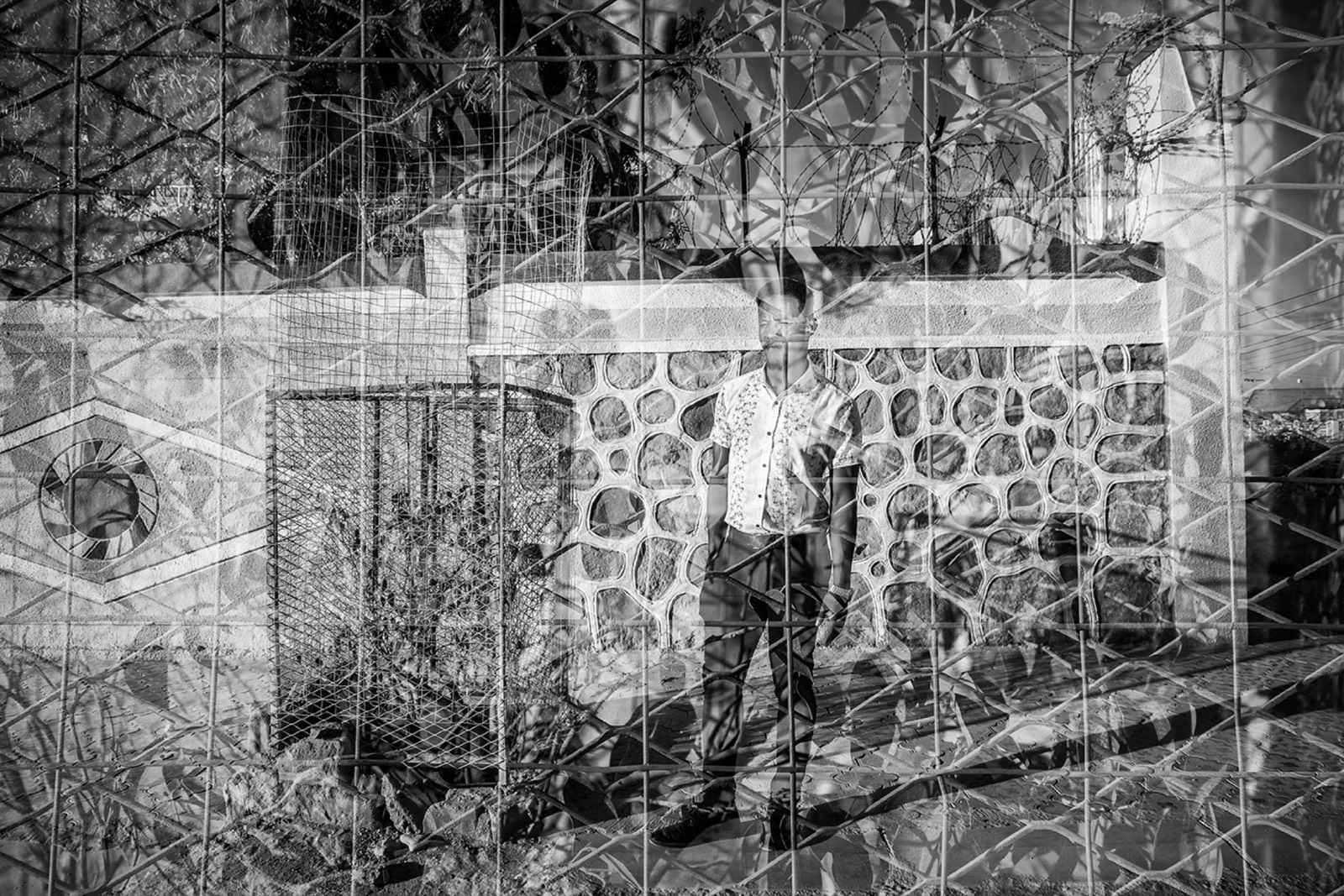
Heavy, photo 01. Abdirizaq, 27
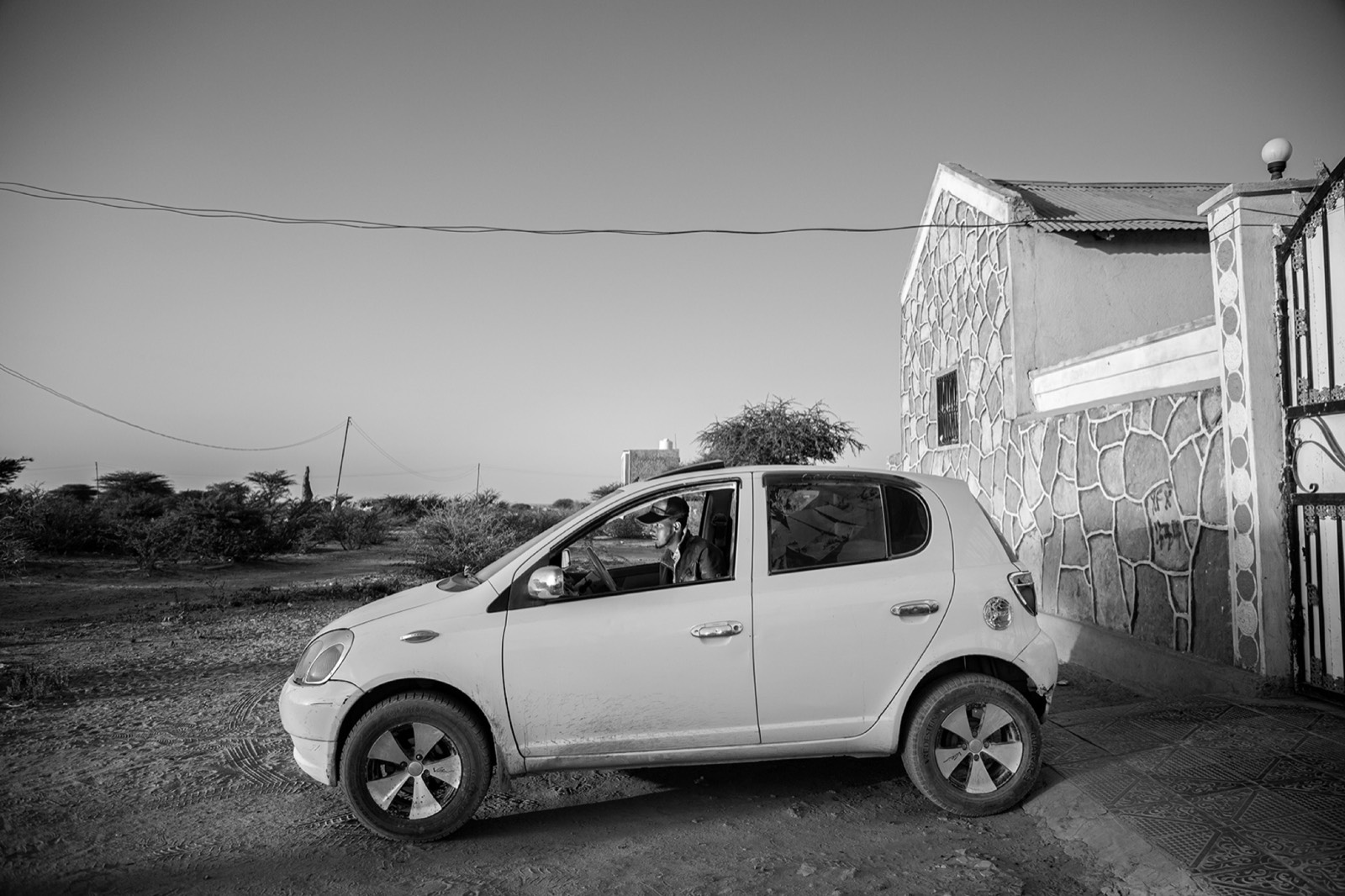
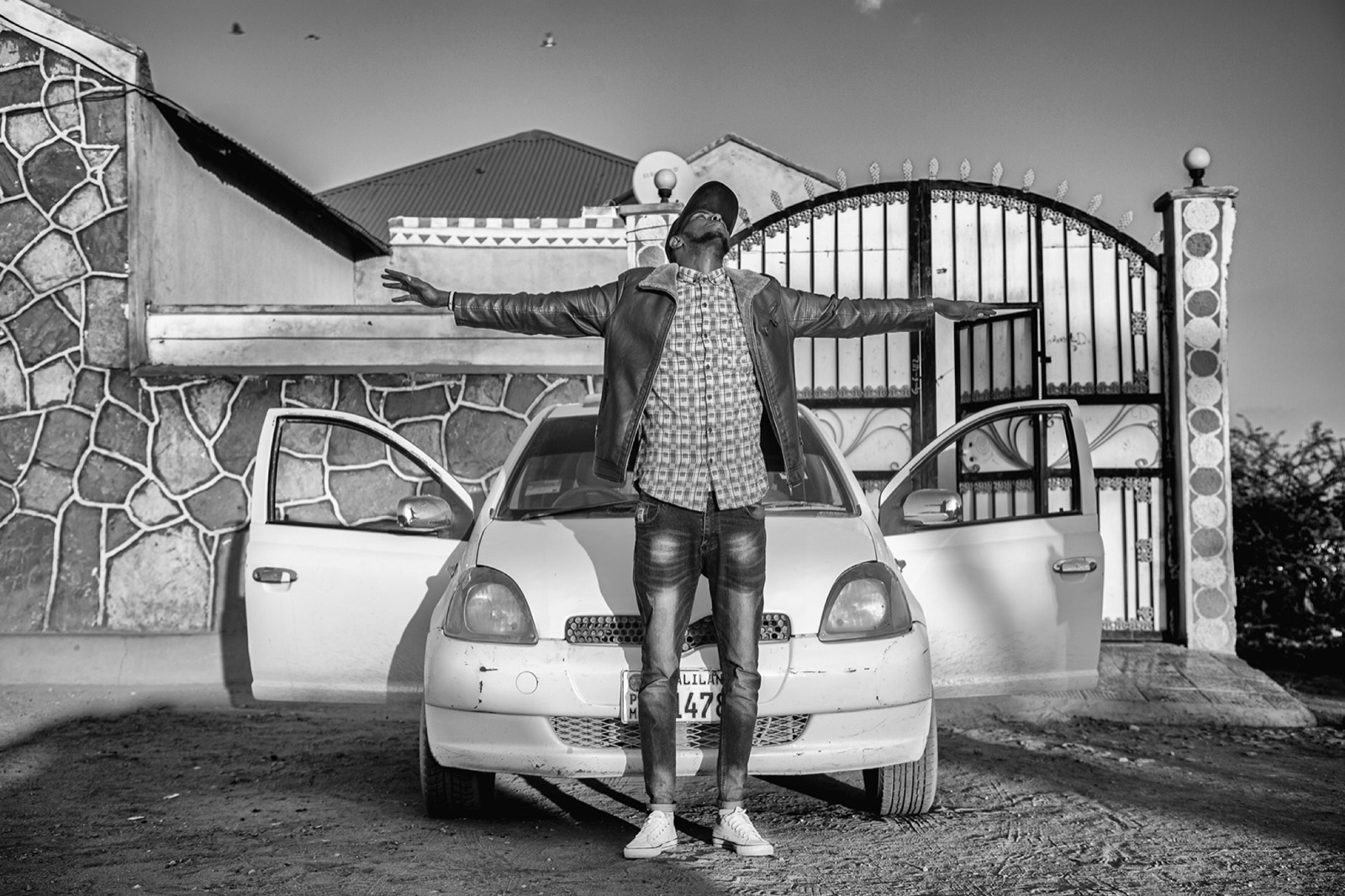
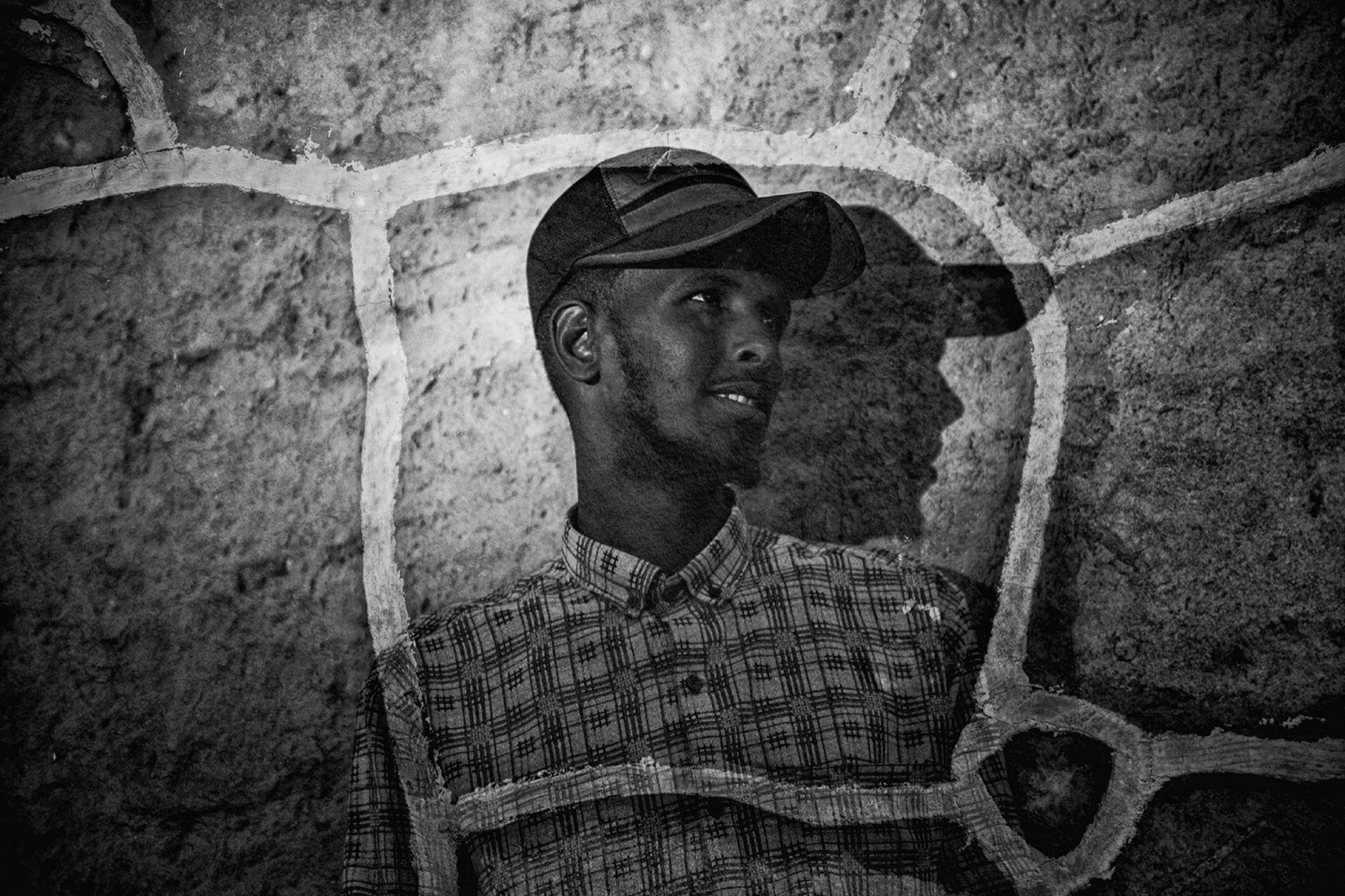
01Abdirizaq, 27Abdirizaq was born in Hargeisa. After high school he set out to find a better future. His first attempts failed because smugglers cheated him and took his money. A friend stuck in Bosaso gave him contacts. With ten others, he travelled through Yemen, Djibouti and Sudan and reached Libya. He remembers the desert and the brutal smugglers: "The journey was tough, especially the weeks crossing the deserts. When I see Arabs in the city, those memories come back. They abused us whenever we could not meet the smugglers' demands." Abdirizaq is back now. His relatives helped him buy a car, and he drives a taxi to support his family. The journey still weighs on him, but his family's support gives him hope.
Heavy, photo 02. Abdirizaq, 27
02Abdirizaq, 27
Heavy, photo 03. Abdirizaq, 27
03Abdirizaq, 27
Heavy, photo 04. Jamaad, mother of Muna
04Jamaad, mother of MunaJamaad is the mother of Muna, 17. She has had no contact with her daughter for nine months. "The last time I heard my daughter's voice," Jamaad says, "she called from Libya to say she would cross to Italy by boat that night." Three days later she heard that Muna and the three girls with her had died. Their bodies were found on the shore after their boat sank. Jamaad suspects foul play: "I am sure the smugglers are responsible for their deaths, and that my daughter and her friends never got on a boat." Since then she has heard nothing and has not received her daughter's body. She lives with grief, unanswered questions and a sense of injustice.
Heavy, photo 05. Jamaad, mother of Muna
05Jamaad, mother of Muna
Heavy, photo 06. Jamaad, mother of Muna
06Jamaad, mother of Muna
Heavy, photo 07. Jamaad, mother of Muna
07Jamaad, mother of Muna
Heavy, photo 08. Jamaad, mother of Muna
08Jamaad, mother of Muna
Heavy, photo 09. Abdikarim, 25
09Abdikarim, 25Abdikarim was born and raised in Hargeisa. He won a scholarship and began studying in Addis Ababa in 2016. In early 2017, in his second semester, he left Ethiopia. A friend who was waiting for a visa gave him the smuggler's contact. Abdikarim, three girls and sixteen boys were gathered in secret in a house in Addis Ababa and driven north that night. After two years away, he and ten other young men were sent back to Somalia under a programme run by the IOM (the International Organization for Migration) and the Somali Embassy in Libya. At home, acquaintances said he came back because he feared the sea. "Such comments were painful," he says. His parents told him: "Come back and do not worry about anything. You can live at home as if you never left." Their support gives him strength.
Heavy, photo 10. Abdikarim, 25
10Abdikarim, 25
Heavy, photo 11. Mustafa, 26
11Mustafa, 26Mustafa was born and raised in Hargeisa. After school he felt helpless and tried to migrate at 16, in 2013. The police stopped him and returned him to his family. Many minors try to leave, often pushed by smugglers, so the authorities watch young people who travel alone or in groups. After a second attempt, his family sent him to Mogadishu, hoping that relatives would end his wish to leave. "In Mogadishu I only focused on surviving each day and finding any work," he says. "It made me think more deeply." He returned to Hargeisa to study at university. Then he saw his sister and a friend, both graduates, fail to find work, and he lost faith in a degree. He moved to Yemen and married another migrant. They could not travel further, so he went back to Hargeisa while his wife went on to Libya. He ran a family business until he could no longer resist her calls. He travelled to Libya, where he spent two years and suffered hardship and torture.
Heavy, photo 12. Amran, 29
12Amran, 29Amran was born and raised in Berbera, a coastal city in the north. She once loved living there, when the city was affordable and looked after poor people. Since she came back, she feels it has changed. She left the country because of conflict with her husband. She felt that leaving was the only way to find a better job and a future for her children. A friend inspired her. They travelled together through Addis Ababa, Khartoum and finally Libya. It took two months, with smugglers and stops in several towns. Her friend later reached Europe. Amran remembers the abuse in the traffickers' camps: "They beat your ankles with sticks so you cannot move, and they make you phone your family for ransom while they beat you." She spent a year and a half moving between camps in Libya. "Once they gave me two minutes to ask my family for money. I used the time to talk to my children instead. A smuggler saw me smiling as I spoke to them and hit me on the neck with a stick. I fainted. I do not remember what happened next. That is when I decided to go home." Returning to normal life took time. She has decided never to make that journey again, even as she hears of others who still take the risk.
Heavy, photo 13. Hamda, 23
13Hamda, 23Hamda lives in Hargeisa and has three children. One was born in an earlier marriage, before her journey to Libya. The other two were born during her almost five years in Libya, from 2017 to the end of 2021. "I have lost count of our attempts to cross the sea to Europe. It was more than ten times. We often had to pay for the crossing. Only a few were free. My mother helped me with money a few times." After her first child was born and she divorced, she lived with her mother. "I could not help with money. I felt the weight of my mother raising my child next to me, almost as if she was raising me again," she says, with sorrow in her eyes. "That is when I began to think about leaving, to find a better future for my mother and my child."
Heavy, photo 14. Hamda, 23
14Hamda, 23
Heavy, photo 15. Hamda, 23
15Hamda, 23
Heavy, photo 16. Hinda, mother of Hamda and Safia
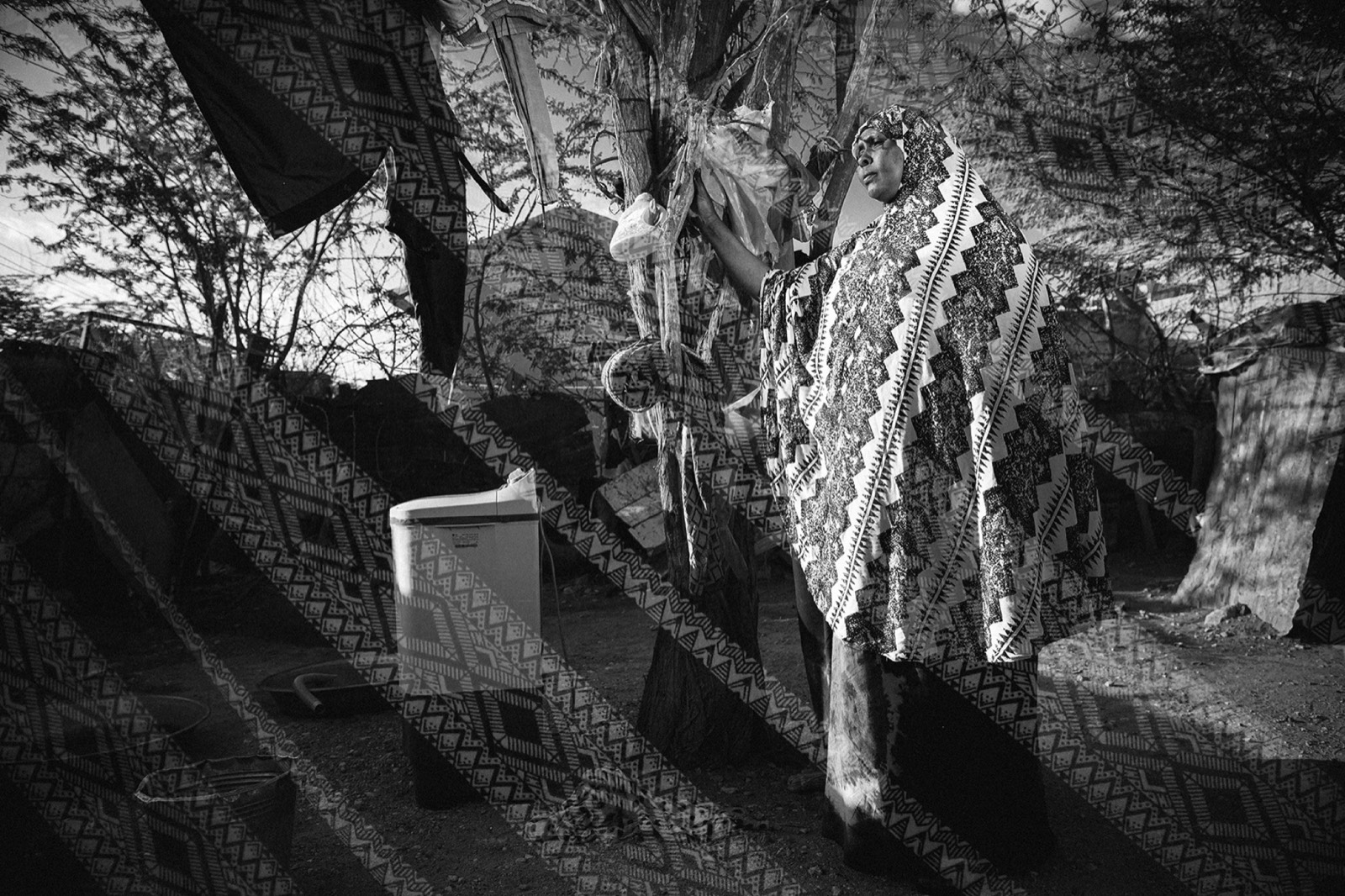
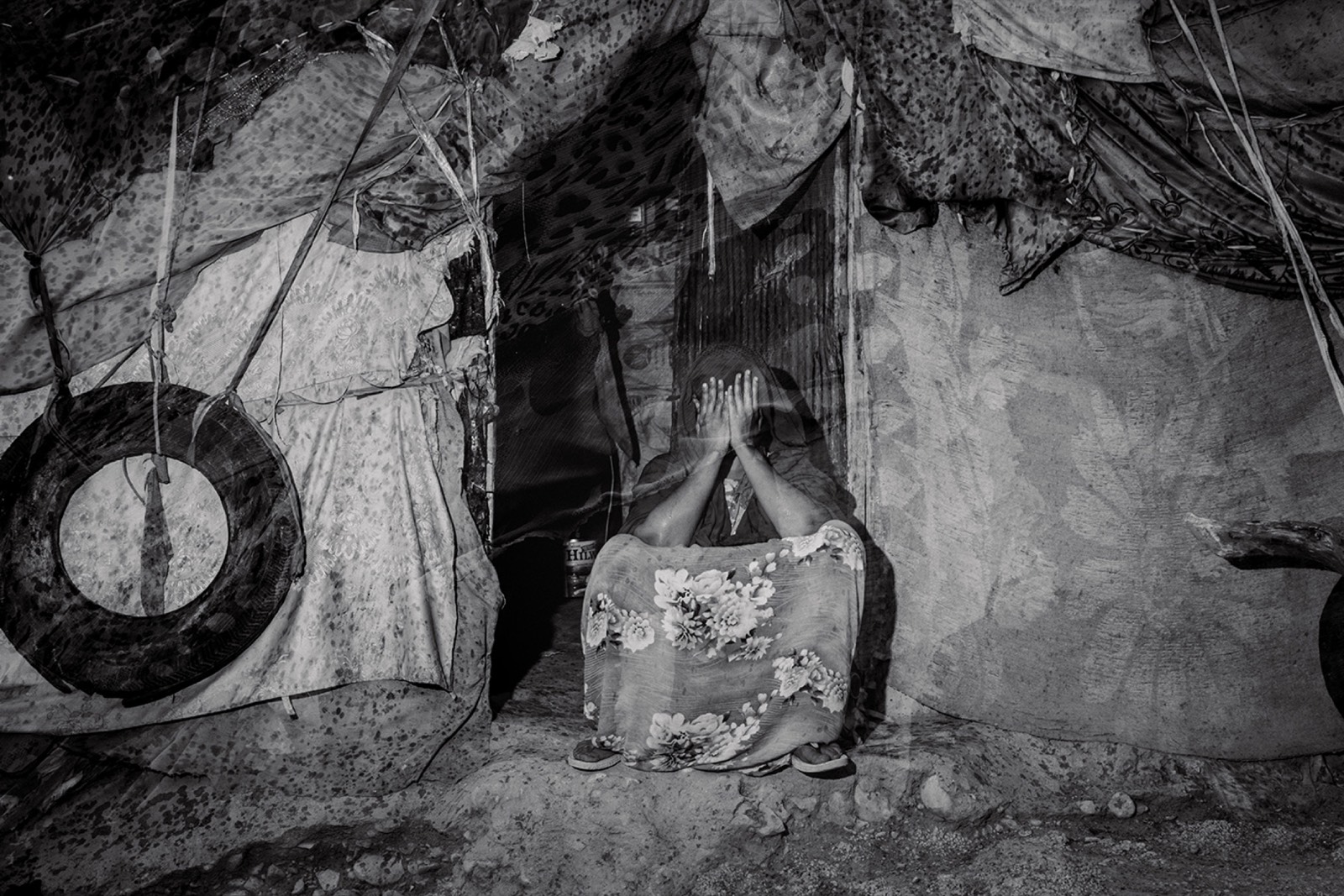
16Hinda, mother of Hamda and SafiaHinda is the mother of Hamda, who is also in this project, and of Safia, who is now in Libya. Safia left suddenly after eight months of marriage. She told no one, not her husband and not her mother. "Safia first called me from Addis Ababa after a week," Hinda says. "She told me she was with a smuggler on the way to Libya." The next call was full of tears. Smugglers had kidnapped her and were holding her for ransom in a camp. Hinda could not raise the money. She asked a local TV worker to broadcast an appeal, and members of their clan collected the ransom. Later, an NGO helped Safia have kidney surgery. Hinda cannot understand why Safia will not come home, since she has no clear future in Libya. "I have tried many times to persuade her to return, but it did not work. Even Hamda, who was shocked to meet her sister in Libya, could not convince her." Hinda has six daughters. She lives on the edge of Hargeisa, on land that the mayor gave for a short time to her and other families in need. She feels alone and weighed down, with nobody to help her family. Safia is still silent, and Hinda worries all the time.
Heavy, photo 17. Sa'ad, 26
17Sa'ad, 26Sa'ad is from Hargeisa. He began to think about migration without planning to. "I was recovering at home from an injury in an accident, and I had many problems. A friend told me she planned to migrate. I asked her to wait until I got better. I had never thought about migrating before. It took me two weeks to research and to contact friends who had reached Europe." He raised money by selling his phone and using $50 that he found while tidying up. When the cast came off his ankle, he left without hesitation. He stayed in Libya for two years, hoping to cross the sea. He is now back in Hargeisa and works as an administrative assistant at a health clinic.
Heavy, photo 18. Sa'ad, 26
18Sa'ad, 26